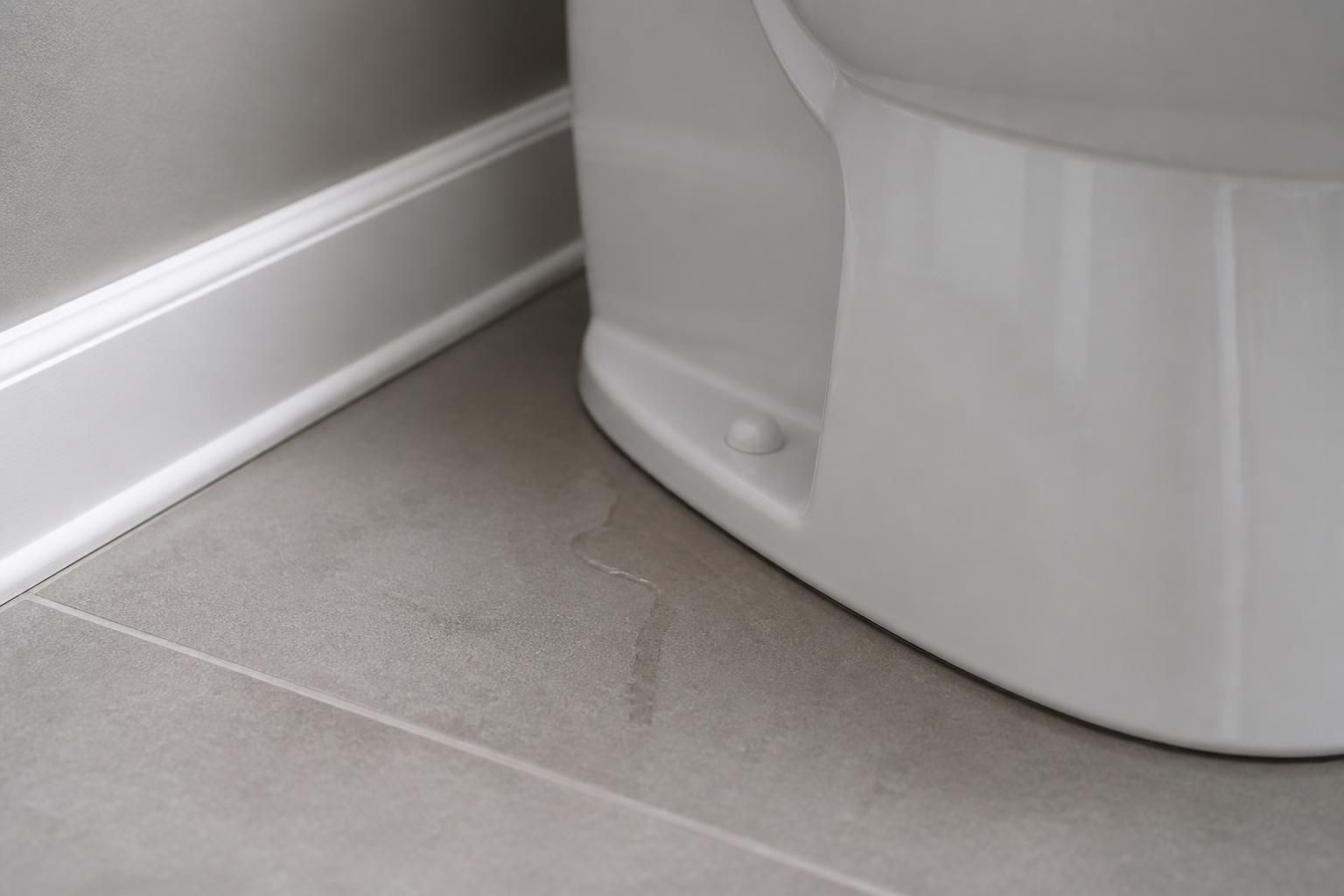
A damp patch on a wall, a ceiling stain that keeps growing, or a meter that still moves when every tap is off can point to a hidden leak. If water is escaping where you cannot see it, the damage can spread quietly through plaster, flooring, and fixtures before the source becomes obvious.
If you are noticing a drop in pressure, unexplained damp, or a musty smell around a room, it is time to get the cause tracked down. Glow Plumbing & Heating Ltd. helps homeowners and businesses across Milton Keynes MK17 9AA, UK locate leaks and work out the next step with clear, practical advice.
Some leaks announce themselves, while others stay hidden behind surfaces or under floors. The earlier they are traced, the less disruption they tend to cause. Look out for the following warning signs:
Not every sign means a major problem, but they are all worth checking. A small drip can still waste water and damage building materials over time.
Leaks are not always where the visible damage appears. Water often travels along joists, pipes, or hidden cavities before showing up elsewhere, which is why guesswork usually leads to more holes and delays.
Pipework behind plaster or tiled surfaces can fail at joints, bends, or fittings. The surface may only show a faint stain at first, even though the leak is active behind it.
Hidden pipe runs beneath timber or concrete floors can leak without obvious surface clues. You may only notice a change in pressure, warmth, or an area that feels unusually damp.
Bathroom plumbing, kitchen supplies, radiators, cylinders, and connections around appliances can all develop faults. A drip from a fitting can also run along a pipe and appear elsewhere.
When Glow Plumbing & Heating Ltd. visits a property, the goal is to narrow the source down carefully before any work starts. That approach helps avoid unnecessary opening up of walls or floors and keeps the repair conversation focused on the real fault.
Some leaks are straightforward, while others take a more methodical search. Either way, the aim is to avoid assumptions and give you a clear path to resolution.
Hidden leaks often start with wear, movement, or strain on a component rather than a dramatic failure. A gradual change can still create a noticeable problem once water starts escaping repeatedly.
Glow Plumbing & Heating Ltd. also handles plumbing repairs and upgrades, so if the leak comes from an ageing fitting or a component that has reached the end of its useful life, we can discuss suitable repair options once the fault is identified.
Leak detection needs differ depending on the property. A domestic leak may be affecting a single room or an isolated appliance, while a commercial property may have more complex pipework, heating, or system faults that need a structured check.
For homes, the most common concerns are stained ceilings, hidden bathroom leaks, pipework failures, and heating-related water loss. We work through the likely sources and focus on the area where the symptoms first appeared.
For businesses, leaks can affect heating systems, service areas, and other working spaces. We handle commercial reactive works, breakdowns, installations, and larger projects, so leak tracing can be part of a wider maintenance or repair job where needed.
Finding the leak is only part of the job. Once the cause has been tracked down, the next step is deciding what repair or service will suit the system and the condition of the affected parts.
That may involve a small repair, a replacement section, or further work to address related faults such as system strain, pressure loss, or repeated leaks from the same area. If the issue is part of a larger heating or plumbing problem, it is often worth looking at the wider system rather than treating each symptom separately.
Glow Plumbing & Heating Ltd. can also advise on services such as boiler repairs, central heating services, power flushing, rebalancing, servicing, and system flushes where the leak is linked to heating performance or broader wear.
A leak that seems minor today can become expensive to ignore. Water can undermine plaster, mark decoration, soften flooring, and damage stored items or nearby fixtures. In some cases, the first visible clue is not the source, but the harm it has already caused.
There is also the practical side. A hidden leak can waste water, create repeated pressure changes, and make day-to-day use of the property awkward. A prompt trace helps reduce uncertainty and makes it easier to plan the repair work sensibly.
Every property is different, but a careful leak trace usually involves looking at the parts most likely to fail or show symptoms first. That can include plumbing, heating, and connected fixtures across the affected area.
If the leak turns out to be linked to another service area, we can discuss the most sensible route from there, including plumbing repairs, boiler work, or system servicing where relevant.
Persistent damp, changing stains, pressure loss, and the sound of running water when nothing is turned on are common clues. A water meter that keeps moving can also be an early sign.
Yes. Water often travels through cavities, along pipe routes, or across surfaces before it becomes visible. The wet area is not always the origin point.
They do. Even a small leak can cause repeated dampness, damage finishes, and increase water waste over time. Small faults are often easier to manage before they spread.
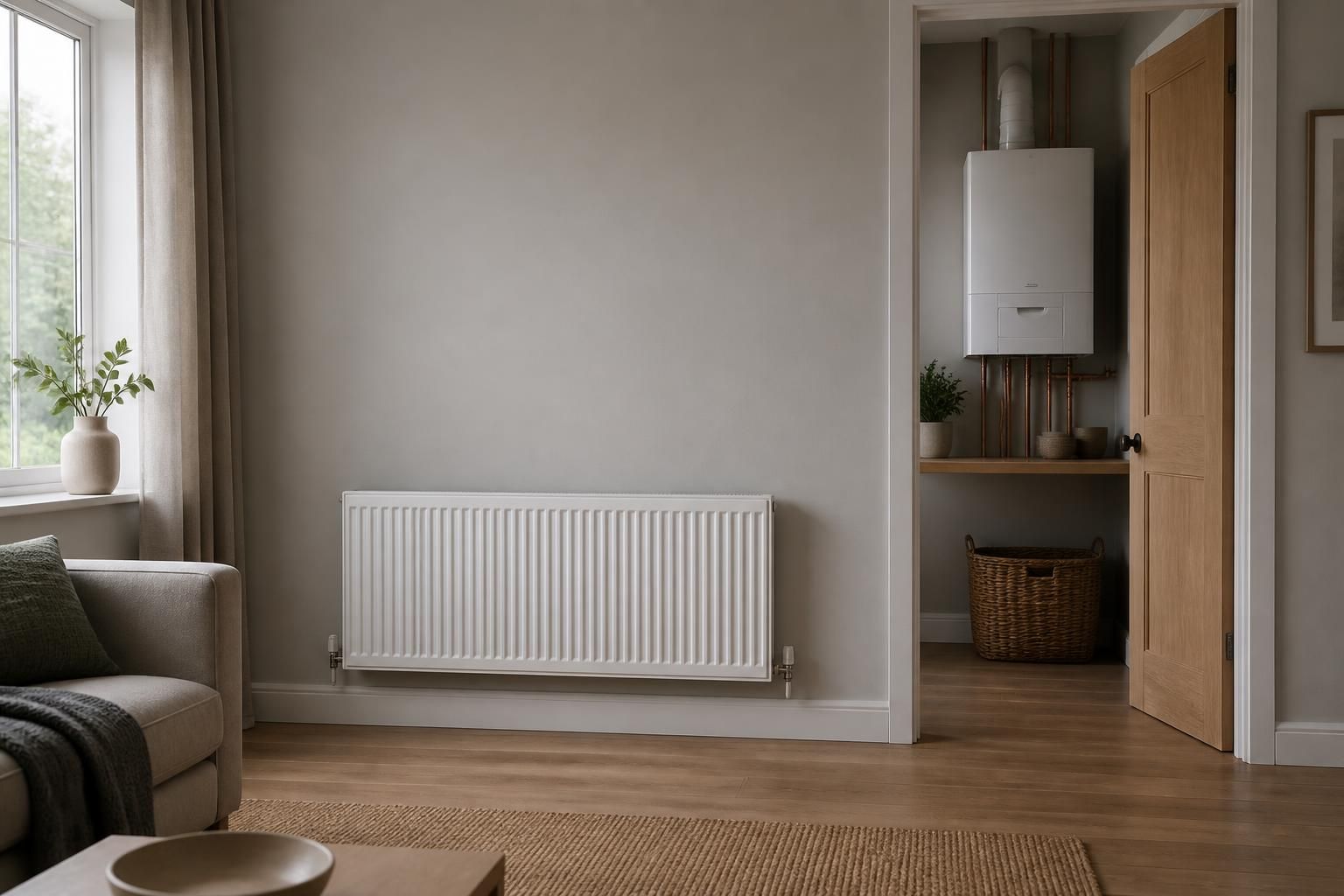
Heating pipework, radiators, cylinders, and related controls can all be involved. We can inspect the likely heating components and explain what needs attention.
Yes. Repeated staining often means the source has not been found yet or the issue has returned from the same area. Tracing the source is the first step before a lasting repair can be planned.
It helps to note where you first saw the signs, whether pressure has changed, and which rooms are affected. If a meter is accessible, that can also help establish whether water is still being used somewhere.
If you need leak detection at a property in Milton Keynes MK17 9AA, UK, contact Glow Plumbing & Heating Ltd. and tell us what you have noticed. We will use the symptoms, the location, and the system layout to trace the source and advise on the next step.
Glow Plumbing & Heating Ltd.
Bow Brickhill, Unit 20, Galley Lane Farm Galley Lane, Milton Keynes MK17 9AA, UK
Phone: +01908110460
Email: info@glowmk.com
We are open Monday to Sunday, 09:00 to 17:00.
Get in Touch
Share the issue you are facing, whether it is a repair, installation, service visit, or system fault. We will help you work out the next step for your property or project.